
After calibration, raw cashew nuts move to one of the most important preparation steps in the whole line: steaming and conditioning. It is less visible than shelling, yet it strongly influences how smoothly the shelling machine runs and how many kernels stay whole.
This article explains what a cashew steaming system does, which factors need control, what mistakes to avoid and what to look for when choosing one. For the full picture, read our complete cashew processing line guide and the overview of cashew processing steps.
What Does a Cashew Steaming System Do?
A steaming system exposes raw cashew nuts to controlled heat and moisture so that they reach a stable, suitable condition before shelling. The aim is not to cook the nut, but to prepare it so that the shell can be opened more cleanly and the kernel inside is better protected during cutting.
In practice, the steaming stage helps to:
- Bring nuts to a consistent condition, so the shelling machine sees similar material from batch to batch.
- Reduce stress on the kernel during shelling, which supports a higher share of whole kernels.
- Support stable operation by reducing the variation caused by differences in nut moisture and shell condition.
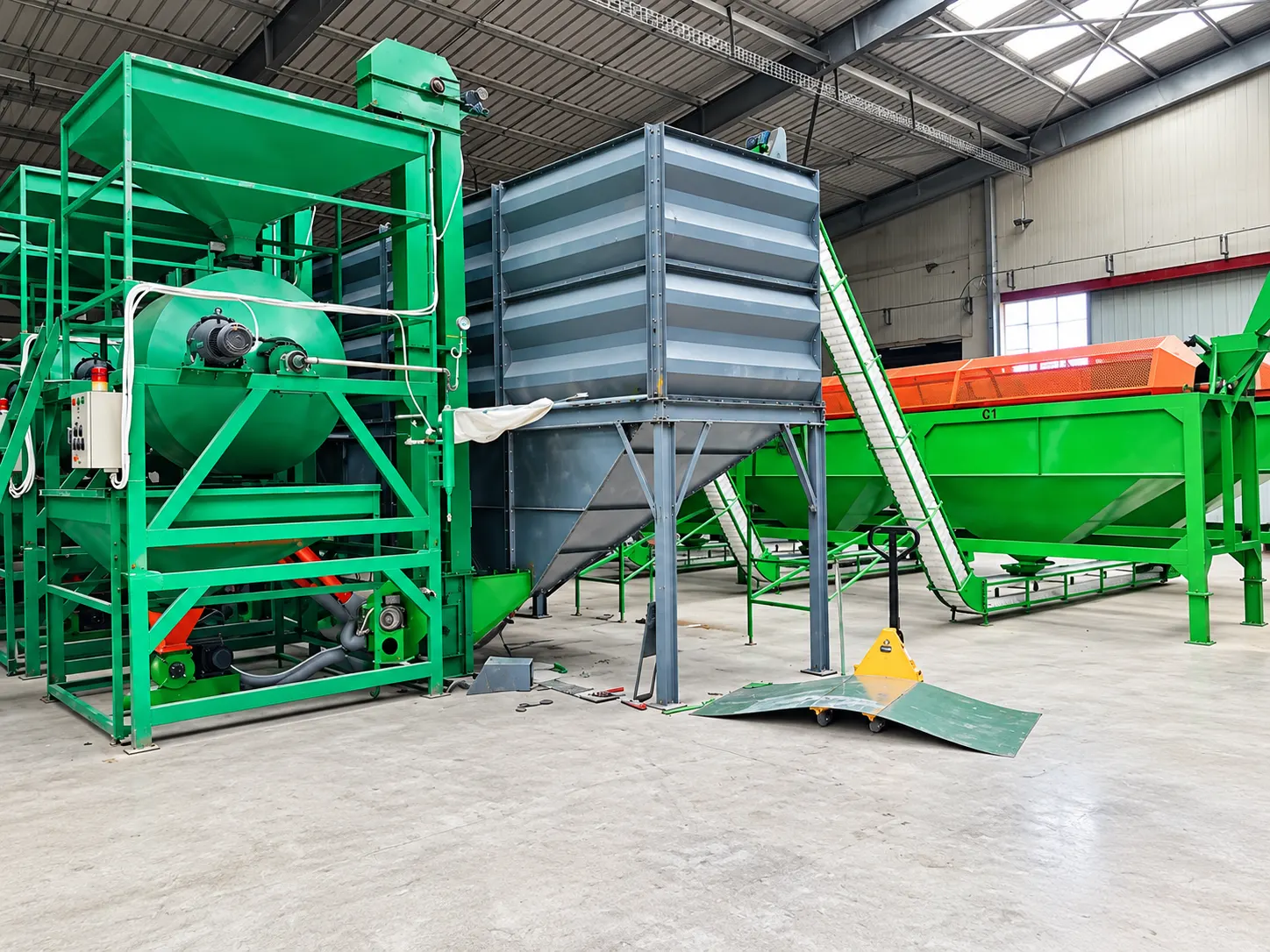
Because nuts differ by origin, storage history and moisture, the right treatment is rarely identical for every lot. That is why control and adjustability matter so much.
Where Steaming Fits in the Line
Steaming normally comes right after calibration and right before shelling:
- Raw nut receiving and cleaning
- Calibration, covered in our guide to the cashew calibrator
- Steaming and conditioning
- Shelling, see how a cashew shelling machine works
- Separation, drying, peeling, grading and packing
This order is intentional. Nuts of similar size, sorted in the calibrator, respond to heat more evenly. Treating mixed sizes together makes consistent conditioning much harder.
Key Factors to Control
Temperature
Too little heat leaves the nuts in a condition that is not ready for shelling. Too much can affect the kernel or create uneven results. The system should hold temperature steadily and allow adjustment for different lots.
Treatment Time
Exposure time is as important as temperature. A system that provides consistent, adjustable residence time lets you tune the process for different nut sizes and origins.
Steam Quality and Supply
A stable steam supply is the foundation. Pressure swings and poor steam quality translate directly into uneven nuts. Check the boiler capacity and distribution design when planning a line.
Uniform Distribution
Every nut should receive similar treatment. Good design avoids dead zones where nuts get less steam, and avoids overloading that stacks nuts too deeply.
Cooling or Resting After Treatment
The nuts often need to be brought to a suitable temperature and condition before entering the shelling machine. Check how the system handles this transition, because it affects shelling performance.
Why Steaming Quality Affects Shelling Results
The shelling machine can only perform as well as the nuts it receives. When steaming is consistent, the cutting action is more predictable. When steaming is uneven, operators spend time adjusting the shelling machine to compensate, and the result is often more broken kernels and more uncut nuts. If you struggle with breakage, see our article on reducing kernel breakage during shelling for a full troubleshooting approach.
What to Look for When Choosing a Steaming System
- Process control: accurate, adjustable temperature and time settings.
- Uniform treatment: design that delivers even exposure across the full batch or flow.
- Capacity match: the system should suit your line capacity without becoming a bottleneck or running far below its design load.
- Energy efficiency: steam is a significant operating cost, so look at how the design uses and recovers energy.
- Safety: pressure, hot surfaces and steam release need proper design and safeguards, with clear operating procedures.
- Material and build quality: durable construction that withstands heat, moisture and long seasons, and is easy to clean.
- Integration: smooth connection to the calibrator outputs and to the shelling machine inputs.
- Serviceability: easy access for inspection and maintenance.
TPG Cashew designs steaming equipment together with the other machines in the line so the stages work as one system. See our products for details.
Common Mistakes in the Steaming Stage
- Using one fixed setting for every nut lot, even when origin, moisture or size changes.
- Mixing size groups before steaming, which leads to uneven treatment.
- Unstable steam supply, such as an undersized boiler shared with other equipment.
- Overloading the system to chase output, which reduces uniformity.
- Skipping record keeping, so there is no data to explain changes in shelling results.
- Neglecting cleaning and maintenance, which allows deposits to build up and affect heat distribution.
Practical Tips for Better Results
- Test small sample batches when a new nut lot arrives and compare shelling results before running full volume.
- Record temperature, time and results for each lot so you can build your own reference table.
- Keep calibration and steaming settings linked: each size group may need its own treatment.
- Check moisture before steaming, since very wet or very dry nuts respond differently.
- Train operators to recognize signs of under- or over-treatment, not only to follow fixed numbers.
Raw nut storage also influences how nuts behave in steaming, a topic we cover in our article on storing raw cashew nuts.
Energy and Operating Cost
Steaming uses energy, so efficiency has a direct effect on your cost per kilogram. When comparing systems, ask how steam is distributed, how heat loss is limited and how much steam is needed for your target capacity. A system that is a little more expensive to buy but uses steam efficiently can pay back over multiple seasons.
Frequently Asked Questions
Is steaming always necessary before shelling?
Most industrial cashew lines include a conditioning step before shelling because it improves consistency and kernel protection. The exact method varies by plant design, so ask your supplier what suits your equipment and raw material.
Can I use the same steaming settings for all nut origins?
Usually not. Nuts differ in size, shell condition and moisture, so settings should be tested and adjusted for each origin or lot.
What happens if nuts are under-treated or over-treated?
Under-treated nuts may shell poorly and return as uncut nuts, while over-treated nuts can create uneven results and affect the kernel. Testing and recording help you find the right window.
Does the steaming system need a dedicated boiler?
It depends on the plant. What matters is a stable steam supply sized for the whole line. Your supplier should review your total steam demand during planning.
Build a Consistent Line with TPG Cashew
A reliable steaming stage makes everything after it easier. TPG Cashew can help you plan a steaming system that fits your raw nuts, capacity and utilities, as part of a complete line or an upgrade.
Discuss your processing line or request a quotation to get started.
